Saturday, February 25, 2017

The Cats of Frank Frazetta

A fantasy painting by Frank Frazetta of two tigers


Fantasy art icon Frank Frazetta is best known for painting women: a controversial point of gender critique that has drawn both detractors, who deride Frazetta's hyper sexualization of the female body; and supporters, who perceive Frazetta's women as empowered actors in control of their own sexuality. It's a can of worms issue that has been discussed at length by far more qualified people than me. Personally, I come down somewhere in the middle, recognizing a level of agency and authority in his depictions that is frequently undercut by an exaggerated level of objectification (Frazetta didn't just paint badass warrior princesses, he also painted a good number of damsels). The continuing critique is culturally important--especially within the cagey world of SFF--but not one that I'm going to rehash at length here.


A fantasy painting by Frank Frazetta


What interest me in this piece is Frazetta's depiction of nature, specifically his almost obsessive employment of large cats. Panthers, tigers, leopards, jaguars and lions abound throughout his work. The man painted cats almost as much as he painted women--often in tandem and presumably in pursuit of a sexually charged feline aesthetic.


Frank Frazetta Huntress


I would argue that it's difficult to find a popular artist so tangentially fixated on cats. There are plenty of painters who have employed feline symbolism in their work, and there are even more popular artists who supply the world with the thousands of kitschy house cat paintings that make their way into mass production, but few painters have engaged the feline world so thematically.

Painting Frank Frazetta Sabre Tooth Tiger


Something worthy of note, is the general subordination of the cats in relation to the women they accompany. They are almost always depicted as hunting partners, familiars, pets, or thralls. It's an aspect of Frazetta's work that has gone understudied, and one that further illustrates the complicated power dynamics at play within his art.    

Frank Frazetta whip and tigers

Frank Frazetta Tiger Sketch


Frank Frazetta painting huntress

Tuesday, February 14, 2017

Concept Art Spotlight: Bastien Lecouffe Deharme

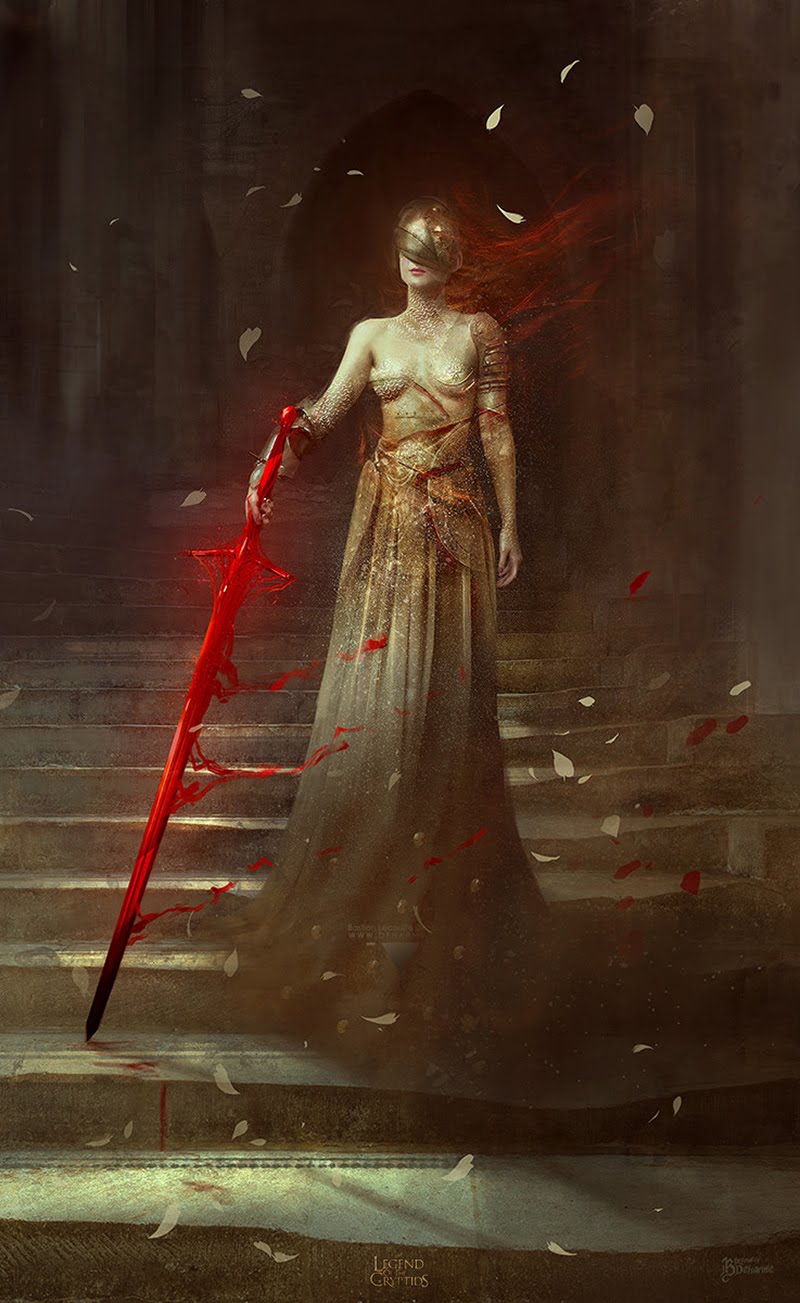
There are very few character artists with a vision as distinct as Bastien Lecouffe Deharme.  Once you've seen one of his pieces, the rest of his work becomes immediately distinguishable. His portfolio is full of hazy reds, soft golds, and a surprisingly vivid palette for an artist who specializes in such gothic themes. Deharme has an eye for the erotically nightmarish (nightmarishly erotic?). His characters are often nude and seductively posed though frequently decked out in chains, wires, cables, wax and other weirdness. It's a bizarre yet undeniably beautiful aesthetic.

Though it's tempting to characterize Deharme's work as cyberpunk, there's a heavy dose of fantasy to keep things difficult to categorize (swords, candles, horns, armor, etc.) One is sometimes reminded of Gene Wolfe's Book of the New Sun, which blends both futuristic and medieval technology so well. One also detects a hint of Dune, for which Deharme has done book covers.

Deharme currently works as a freelancer who has supplied work for both the Legend of the Cryptids series and Magic the Gathering. His book covers are fantastic and he has completed jackets for such legends as Philip K. Dick, Frank Herbert, and H.P. Lovecraft.

Check out a few of his pieces below as well as his personal website roman-noir.com


Fantasy concept art legend of the cryptids sea witch


Gothic fantasy art

Goddess Fantasy Art


Sentinel Fantasy Art


Blood Sword Fantasy Painting


Thursday, January 26, 2017

The Illustration of Jeremy Hush

Few artists have managed to so effortlessly bridge the gap between classic and modern illustration as Jeremy Hush. Using ink and watercolor, Hush employs a technique that flourished over a century ago during the Golden Age of Illustration. At first glance, you might even mistake Hush's illustrations as older works commissioned for classic fairytales, yet closer inspection reveals a world of cracks and kinks and an artist well acquainted with the tropes of modern fantasy. While many of his peers have embraced digital media, Hush continues to carve out his space in traditional mediums. Though most of his work is watercolor on paper, he is also an artist that has done work with wood and glass. Not only are Hush's illustrations beautiful, they also manage to convey a mysterious and macabre fantasy world in miniature.

A fantasy illustration featuring a girl riding a goose


Jeremy Hush Illustration


A fantasy illustration of a skull by Jeremy Hush


Jeremy Hush illustration


Jeremy Hush Illustration


Saturday, January 14, 2017

Concept Art Spotlight: Tianhua Xu

For the past decade an increasing amount of concept art has been produced in China. Greater access to design software coupled with studios expanding their search for talent has produced a wave of superb new artists and illustrators melding cultural visions of what fantasy can look like. One of these artists is Tianhua Xu. The head of Chekyen Studios, Xu has been making a splash on artstation, cgworld, and cghub (RIP) over the past several years with his gorgeously lush and detailed renderings of characters and fantasyscapes. What makes Tianhua's work so interesting is the way he effortlessly blends U.S. and Chinese fantasy tropes to create a world all his own. Here are some of his most inspiring pieces.

A fairy painting by Tianhua Xu


A fantasy landscape by Tianhua Xu


A fantasy painting by concept artist Tianhua Xu


Tree painting by Tianhua Xu

Elephant God by Tianhua Xu


A painting of a white dragon by Tianhua Xu


Tianhua Xu Princess Mononoke Illustration Fan Art


Find more of Tianhua Xu's work at https://tianhuaxu.artstation.com/ 

Wednesday, January 11, 2017

Looking Backwards: the Illustrations of Edmund Dulac

Edmund Dulac stands as one of the greatest illustrators of all time. Born in France in 1882 and later emigrating to London, Dulac would rise to prominence during the golden age of English illustration. Though the period was filled with iconic artists, no other illustrator would work so prolifically to broaden the visual scope of the fantasy genre. Dulac illustrated everything: Shakespeare, Rubaiyat, Hans Christian Andersen, Edgar Allan Poe, The Arabian Nights, and countless other fantasy-inspired illustrations for stamps and relief books. No other artist would so profoundly illuminate turn-of-the-century European literature.

a watercolor fantasy illustration of a fairy garden


Like other Golden Age illustrator's Dulac's work chiefly appeared in special deluxe edition printings that were immensely popular from 1890 until the beginning of the First World War. These vibrantly illustrated pressings were generally marketed as gifts that made their way into upper middle class libraries in England, France and the United States. Though fantasy had been a rapidly expanding genre throughout the 1800s, these illustrated books allowed readers to see worlds that were sometimes difficult to envision based on text alone. While a solid century's worth of film, television, comics and other visual media have provided us with a wealth of easily identifiable fantasy tropes, it's easy to forget how hard it might be for someone to envision a secondary world full of imaginary places, creatures, and technologies. Artists like Dulac not only helped enliven the texts they illustrated, but they also helped establish what we might consider the visual "palette" of modern fantasy.   

Mermaid painting by fantasy artist Edmund Dulac


A watercolor fantasy illustration by Edmund Dulac


An angel painting by fantasy illustrator Edmund Dulac


A watercolor mermaid painting by Edmund Dulac


Friday, January 6, 2017

Concept Art Spotlight: Kekai Kotaki

Kekai Kotaki is one of the most exciting American concept artists working in the video game industry today. Originally from Hawaii, Kotaki has built a career in Seattle creating concept pieces for ArenaNet, designing some absolutely stellar art for the Guild Wars series. Though most concept art tends to be more functional than artistic, the same can't be said for Kotaki, who has distinguished himself by crafting some of the most detailed and smartly composed concept pieces you'll find online today. Kekai's art exhibits both western and eastern influences, revealing a deep familiarity with the U.S. fantasy tradition, while incorporating a subtle anime flair that keeps his work from feeling overly ham-fisted (I'm personally reminded of the best Final Fantasy Tactics art when examining his character models). Not only are his renders gorgeous, they're intelligently composed and balanced so that his finished pieces feel more like illustrations than raw concept work. Kekai is also one of the few artists who can claim to have successfully mastered both character and environment pieces. Here are some of his most inspiring digital paintings.  

A piece of concept art by Kekai Kotaki


A castle book cover by Kekai Kotaki


A dragon by concept artist Kekai Kotaki


A character concept piece by fantasy illustrator Kekai Kotaki


A concept painting by Kekai Kotaki


Concept art by Kekai Kotaki


A tiger rider by Kekai Kotaki

See more of Kekai Kotaki's work on Kekai Kotaki Tumblr

and his personal website kekaiart.com


Thursday, December 29, 2016

Concept Art Spotlight: Marc Simonetti

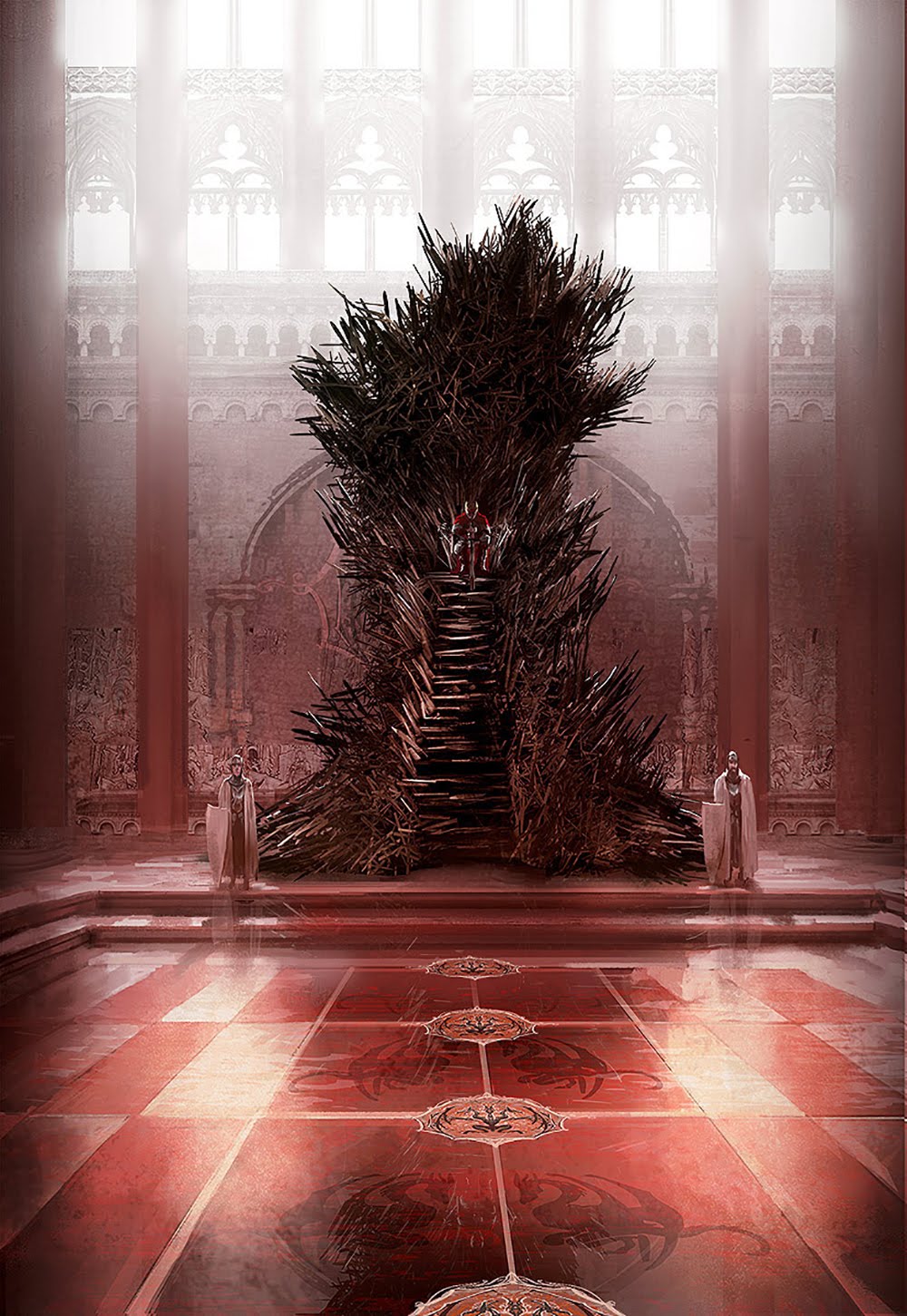
Marc Simonetti is one of the better known SFF illustrators creating today. A prolific artist who has done work for fantasy stalwarts like George R.R. Martin and Terry Pratchett, Simonetti might be considered something of a transitional figure in the realm of SFF illustration. Though elements of his style harken back to gentler fantasy illustrators like Darrell K. Sweet and the Brothers Hildebrandt, Simonetti primarily works digitally, employing software to paint his compositions. The result is an excellent blend of old school color and CG scale. His Song of Ice and Fire illustrations, for example, definitely reveal the influence of classic 1970s book covers, yet he broadens the scope of those classic tropes by fixing his characters in larger fantasyscapes associated with contemporary concept art. Though his Iron Throne is certainly his most famous illustration, Simonetti is the "brush" responsible for a lot popular fantasy images that pop up on sites like Pinterest, Tumblr, and Facebook (though he is not always credited). Here are some of his most inspiring pieces.  


An illustration of the Iron throne by fantasy artist Marc Simonetti


A fantasy illustration by artist Marc Simonetti


A Dance with Dragons Book Cover by Fantasy Artist Marc Simonetti


A Castle painting by fantasy artist Marc Simonetti


A book cover by fantasy illustrator Marc Simonetti


A castle painting by digital concept artist Marc Simonetti

You can find more of Marc Simonetti's profile here

Tuesday, December 27, 2016

Looking Backwards: The Illustration of Gaston Bussiere

Never before have classic illustrators had so many eyes on their work. Over the last two decades, the internet has breathed second life into thousands of illustrations once consigned to the library. Beyond occasional coffee table books, most people had spotty and limited access to vintage illustration. The vast visual archive of the internet has provided a whole new gallery free and open to the public. This "revival" isn't just limited to illustrators--a wide variety of nineteenth-century artists are receiving second consideration thanks to the online circulation of their work. Romantic figure painting, generally dismissed by the modernists and ignored by the contemporary art world, has found a whole new audience via Google Image Search. As such, a vital visual contribution to the world of fantasy is being re-explored as "forgotten" illustrators and artists receive fresh attention.

Though the Pre-Raphaelites have experienced a resurgence in popularity over the last two decades, the same can't be said for many of their symbolist counterparts. While artists like John William Waterhouse and Dante Gabrielle Rosetti dominate Pinterest boards and "classic art" tumblrs, the symbolists have been somewhat left out of the internet's rediscovery and celebration of once shunned Romantic painters. One of these largely forgotten romantics is Gaston Bussiere. Though close with symbolist giants like Gustave Moreau and much in demand during his lifetime, Bussiere's work has been surprisingly neglected given the renaissance of interest in turn of the century illustration. Considering the recent attention given to illustrators like Arthur Rackham, Warwick Goble, and Edmund Dulac, it seems a bit odd that Bussiere remains generally unknown.

Had Bussiere been a minor figure working on the outskirts of the mainstream, his obscurity would be more understandable. Yet, the artist was one of the most regarded and sought after French illustrators during a rich period in French illumination. Bussiere illustrated works for major figures like Berlioz, Balzac, Flaubert, Gautier and Oscar Wilde. It would seem that these associations alone would have secured his place in the annals of illustration, yet most of the designers I spoke to, many of them history buffs who enjoy mining the past for inspiration, were completely unfamiliar with Bussiere's work (as I was myself before beginning work on this post).

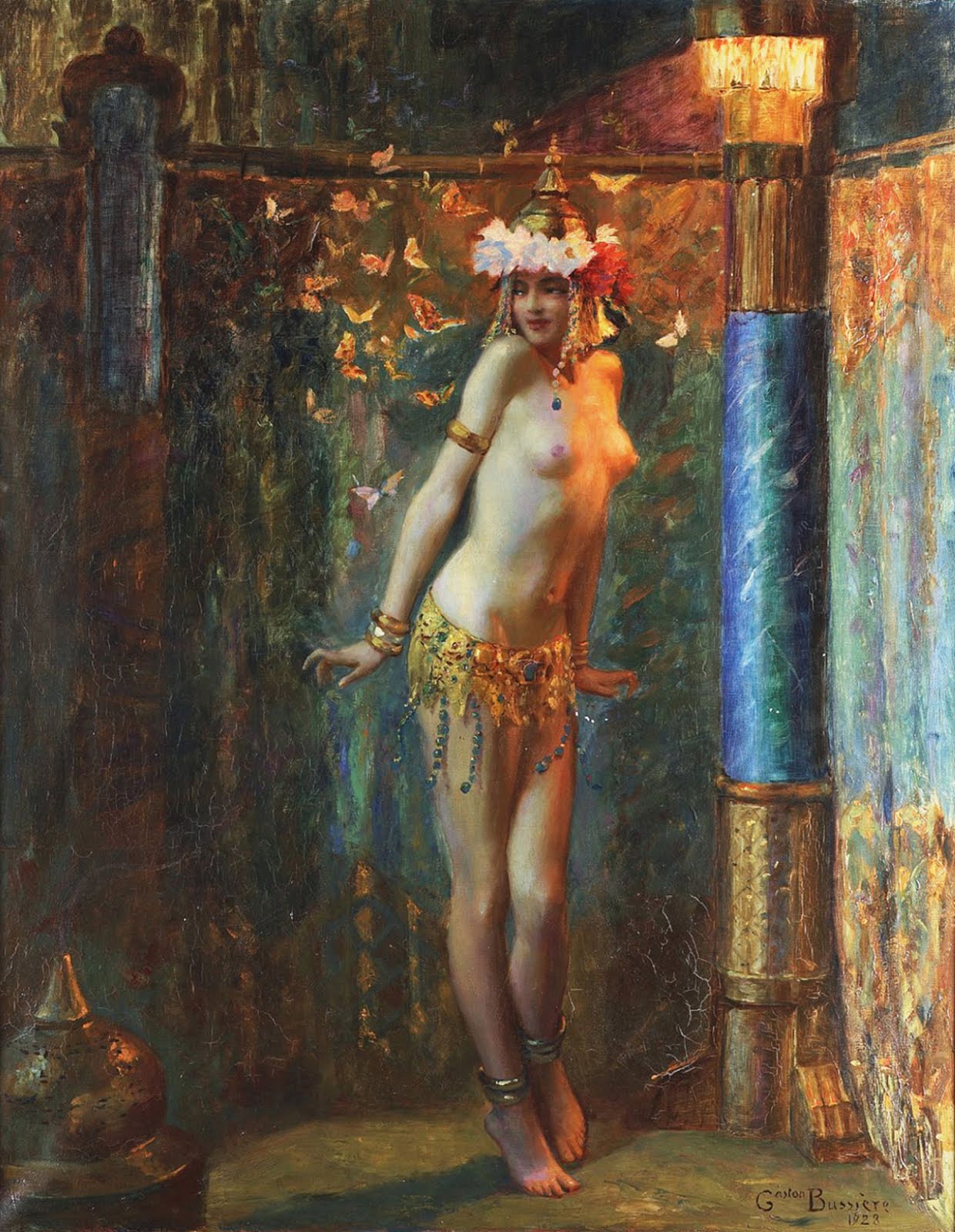
To explore the work of Bussiere is to explore a world of lush colors and sumptuous light. Like Moreau, Bussiere's paintings are awash in organic hues, yet Bussiere's colors are even more vibrant, almost Blakean in their exuberance. Like Waterhouse, Bussiere had a fondness for painting nymphs and dryads. Lithe figures can be found lounging and playing alongside the water. Like many of his contemporaries, Bussiere was drawn to classic young heroines and "femme fatales" like Joan of Arc and Salome. Though most of his themes are drawn from classic literature, Bussiere's Wagner illustrations are some of his most "fantasy" centric pieces. Here are a handful of some of the artist's paintings.

A painting by symbolist French painter Gaston Bussiere


A painting of Nereids by Symbolist Painter Gaston Bussiere


A painting by Gaston Bussiere


A painting by French Symbolist Gaston Bussiere


A painting of water nymphs by Gaston Bussiere


Gaston Bussiere painting


A painting of Salome by Gaston Bussiere


Wednesday, December 21, 2016

Concept Art Spotlight: Jakup Rozalski

In general, fantasy concept art tends to favor a kind of quasi-realism, an ultra-polished digital gleam that lends itself to video games and CG powered film. At its very best, this quest for hyper detail can produce some stunning artwork (see last week's Concept Art Spotlight devoted to portrait artist Eve Ventrue). Yet at it's very worst, digital concept art often looks like, well, digital concept art. That is to say, less like art and more like a collection of shiny character models and oversaturated matte landscapes.

That's why it's so refreshing to encounter an artist like Jakub Rozalski whose pieces lean more toward impressionism than realism. While Rozalski is often a contributing artist supplying work for larger projects, much of his stuff feels more like quality illustration than toss away concept art. Each piece seems to tell its own story, and you'd be hard pressed to find an artist whose work conveys more narrative power. Though he works digitally, his painterly style adds a certain cloudy ambience to each piece that suggests a greater world beyond. Jakub is especially good at using fog and haze to capture the menace of beasts on the prowl. 
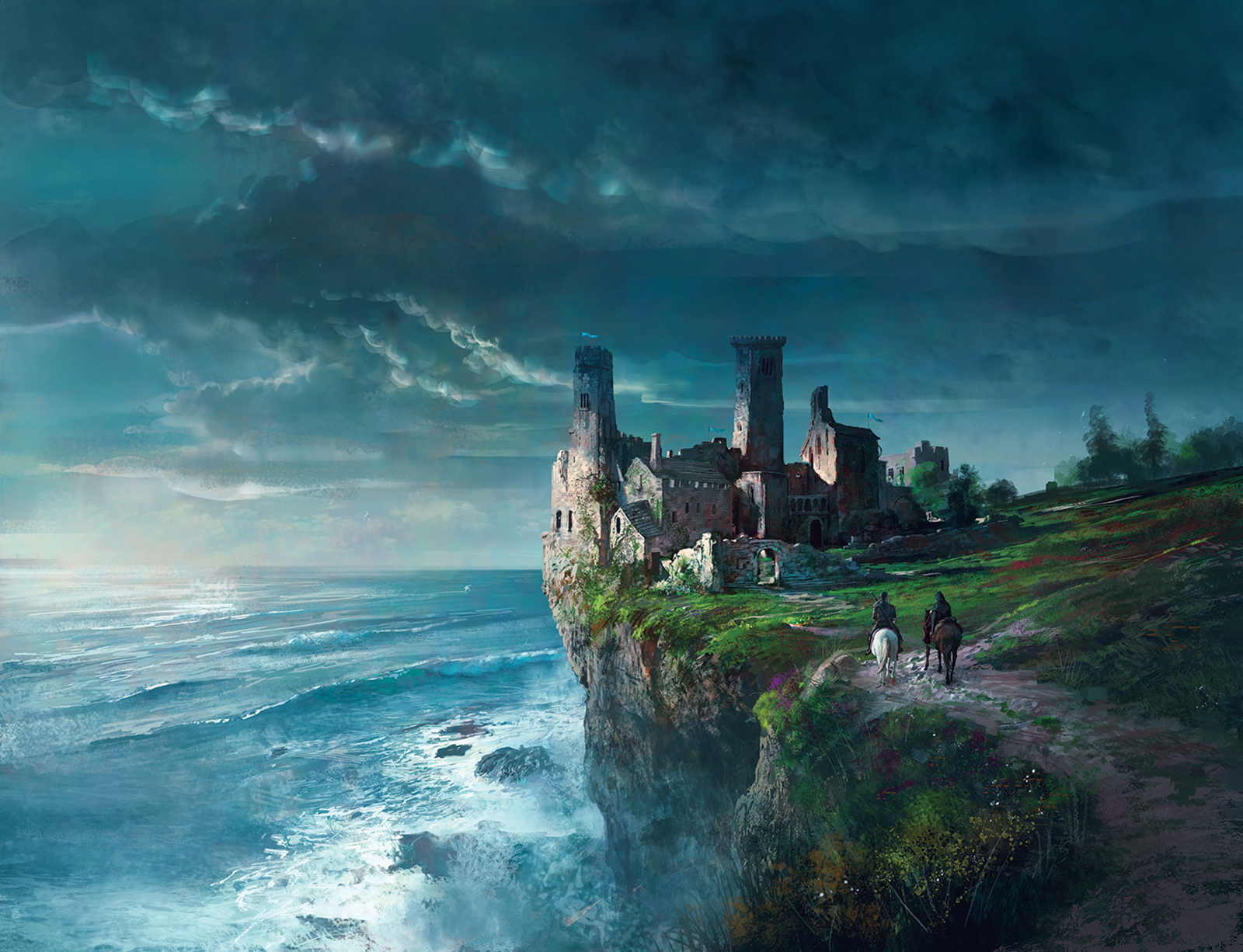
Jakub has done a fantastic series of paintings dedicated to The Witcher as well as a series of alternate history pieces for his 1920s series. His work is currently serving as inspiration for new game based on north mythology. Here are some of favorite pieces by Jakub:

A fantasy illustration by concept artist Jakub Rozalski


A werewolf illustration from fantasy artist Jakub Rozalski

A fantasy steampunk illustration by concept artist Jakub Rozalski

The Witcher Jakub Rozalski illustration witcher fan art


An illustration by concept artist Jakub Rozalski


A fantasy illustration by Polish concept artist Jakub Rozalski